The 1976 protest
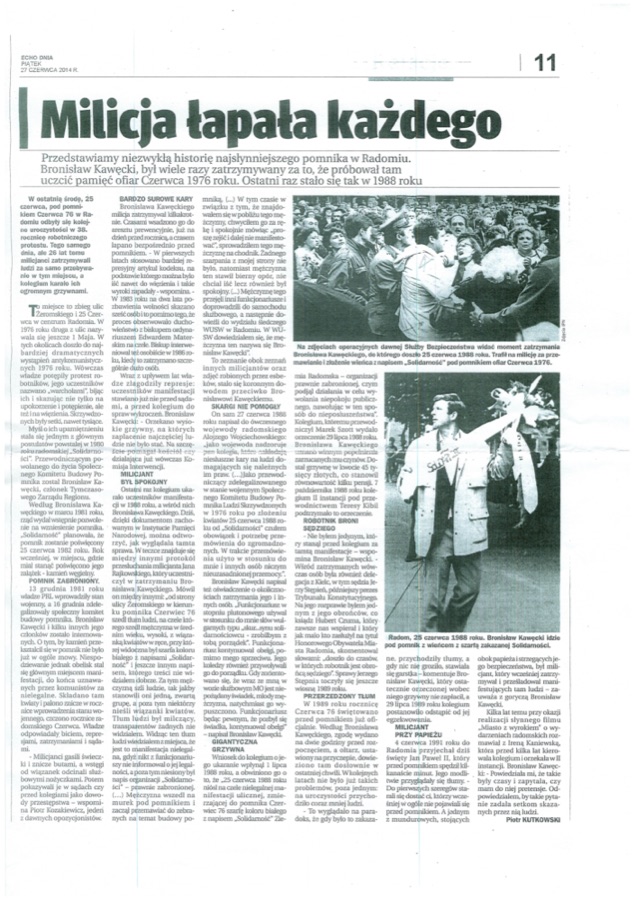
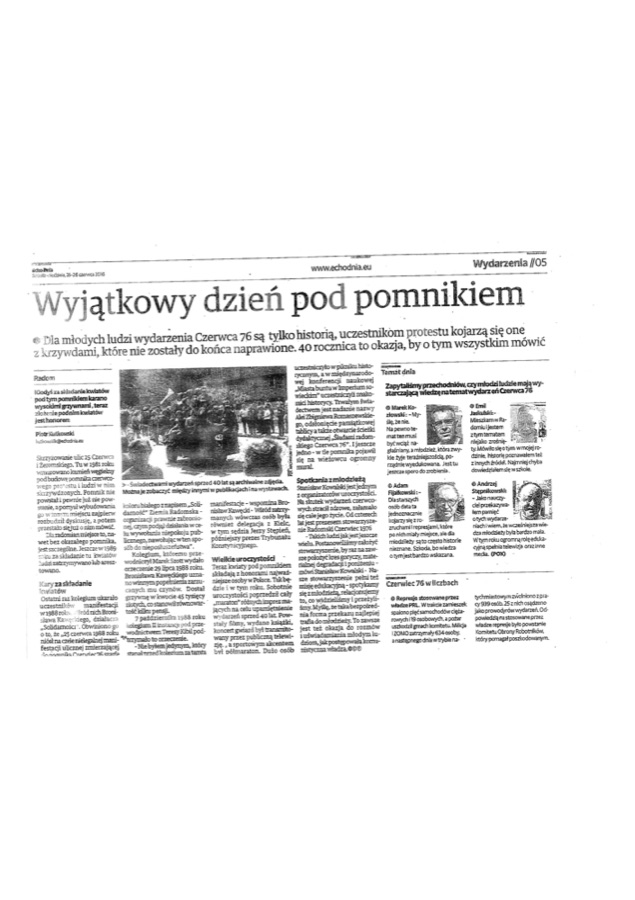
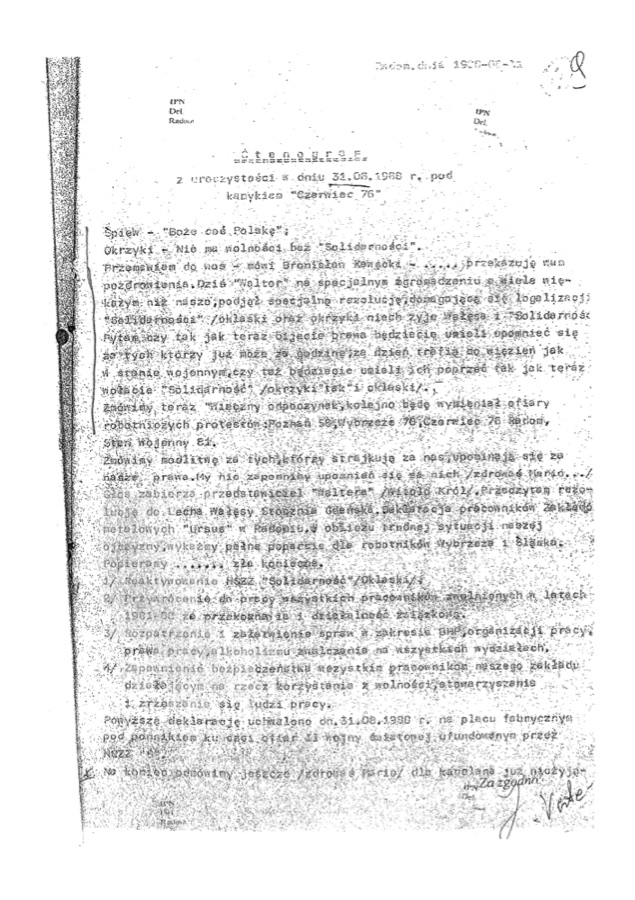
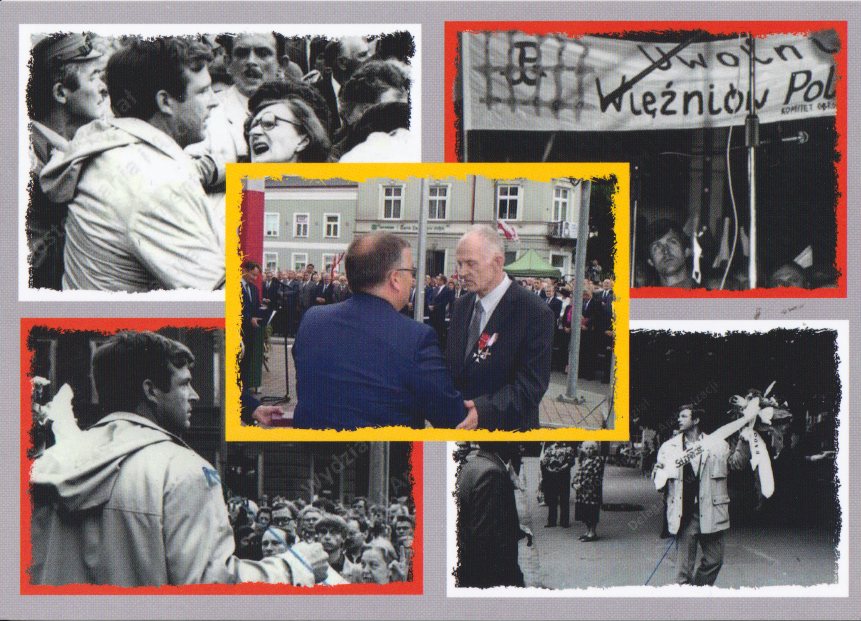
That day, workers at Radom’s factories walked out over steep, government-announced increases in food prices. The protest turned into a riot, the ruling Communist Party’s local headquarters was set alight, shops were looted, and the security services responded with mass arrests and beatings.
Hundreds of people were later dismissed from their jobs, prosecuted or forced to run a gauntlet of police truncheons known locally as the “health path”. The events in Radom, and in the town of Ursus near Warsaw the same day, are usually seen by historians as an early rehearsal for the much larger Solidarity movement that would emerge four years later and eventually help end communist rule across Poland and the wider Eastern Bloc.
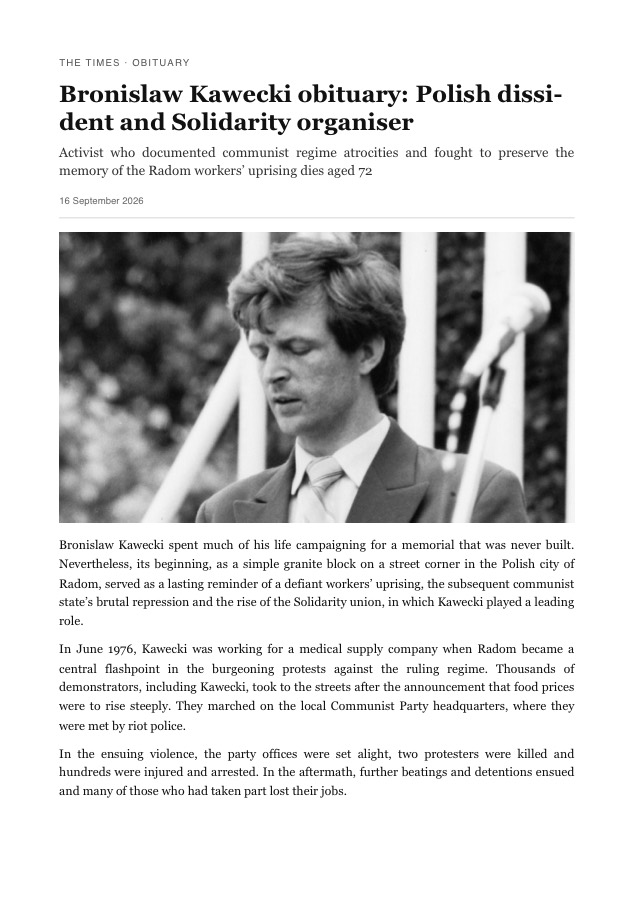
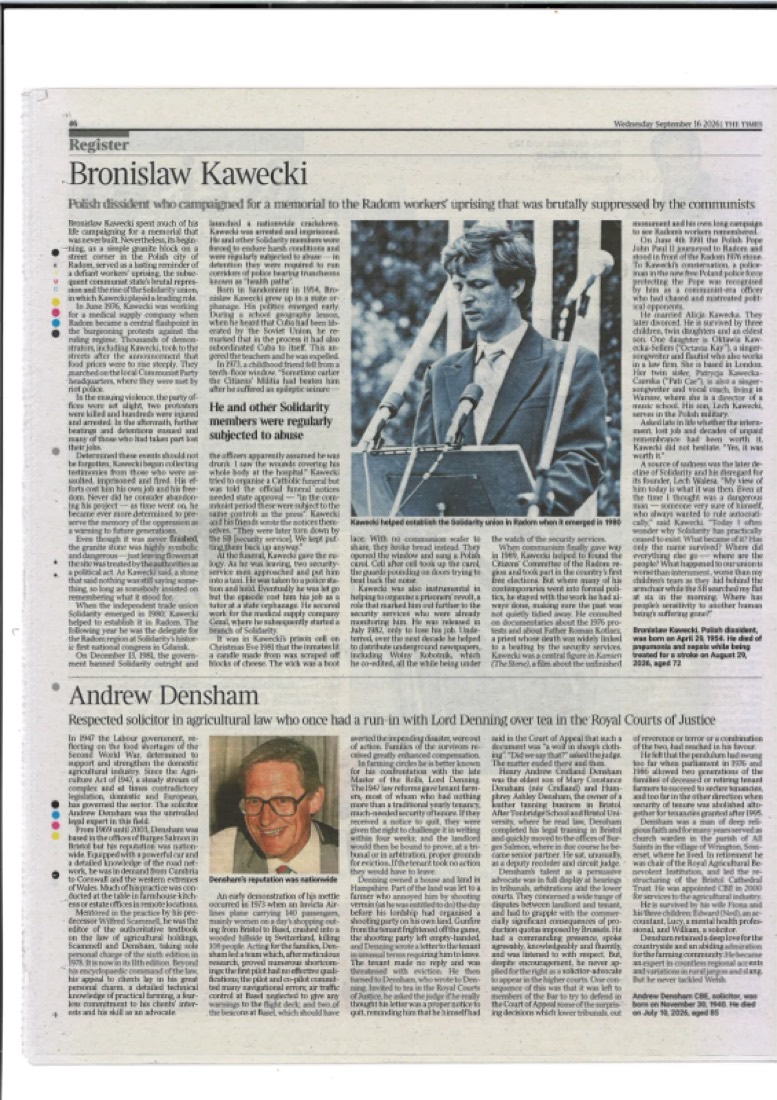
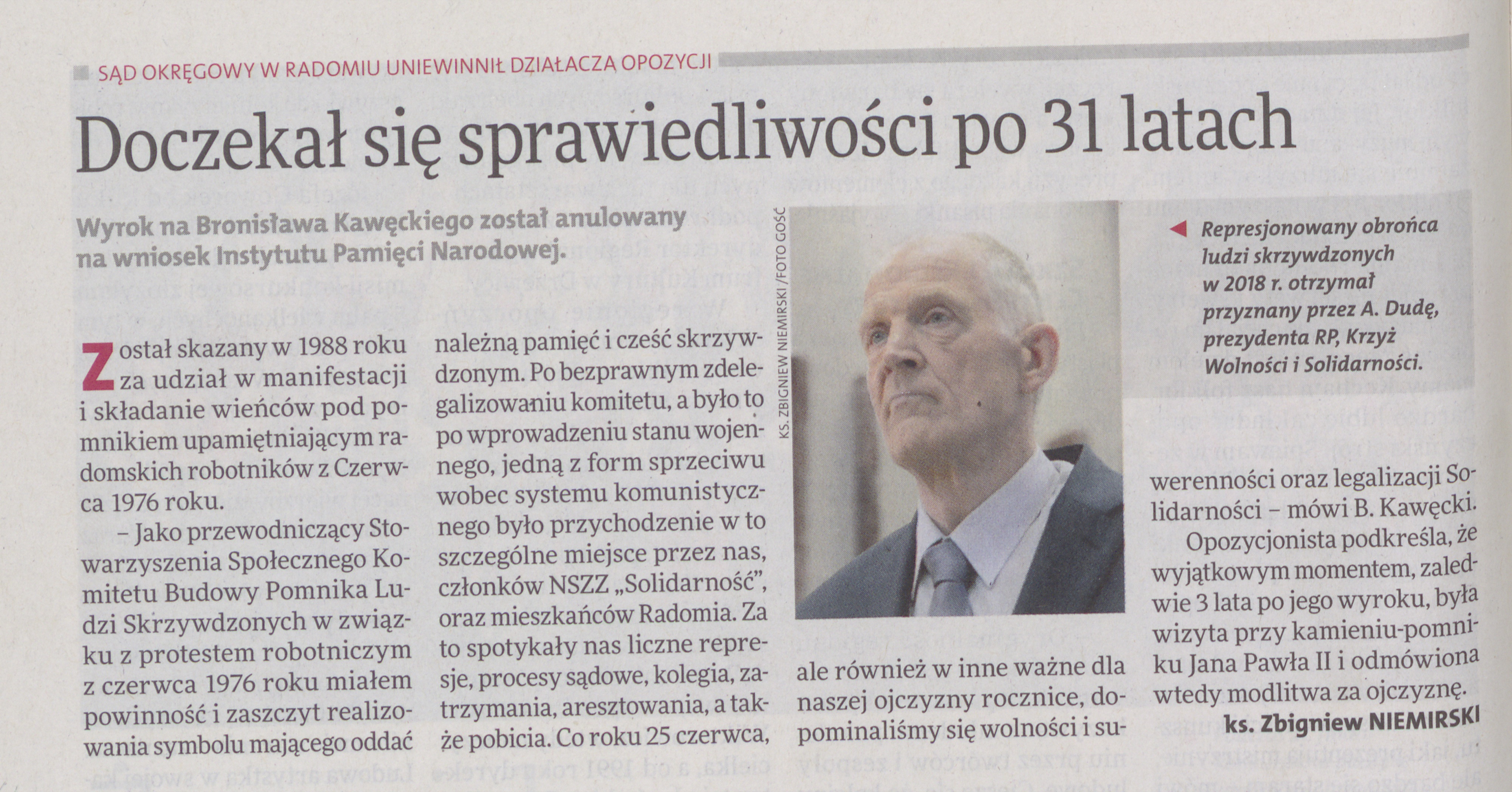
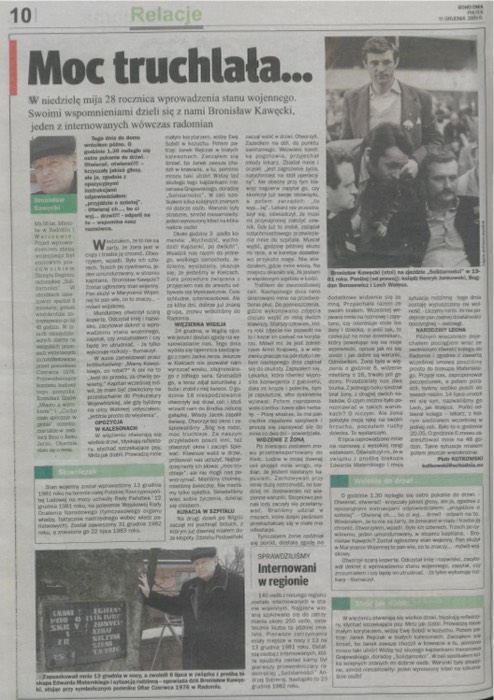
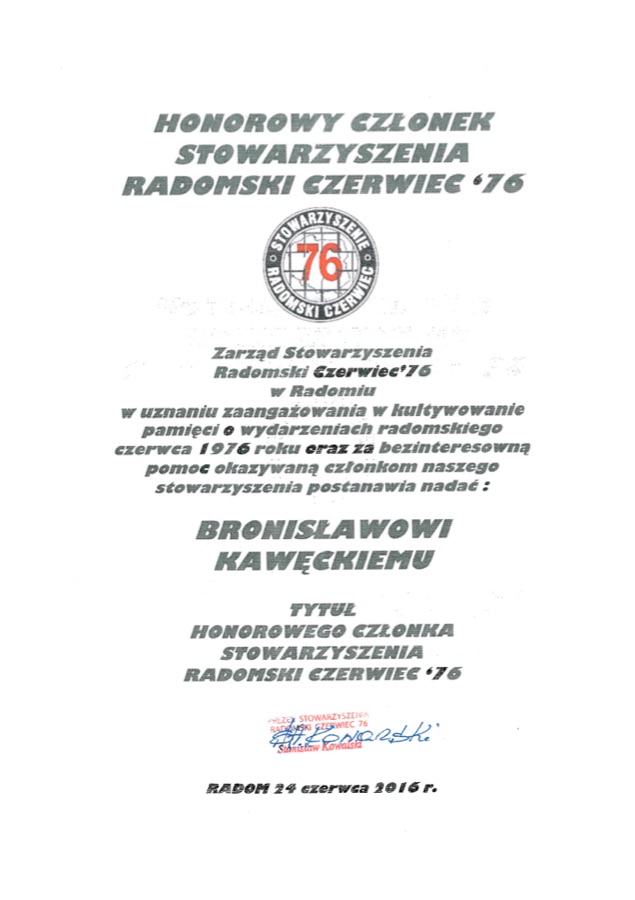
Kawęcki at that point began collecting testimony from people who had been beaten or sacked, work that continued, in one form or another, for the next five decades.
Early life and Solidarity
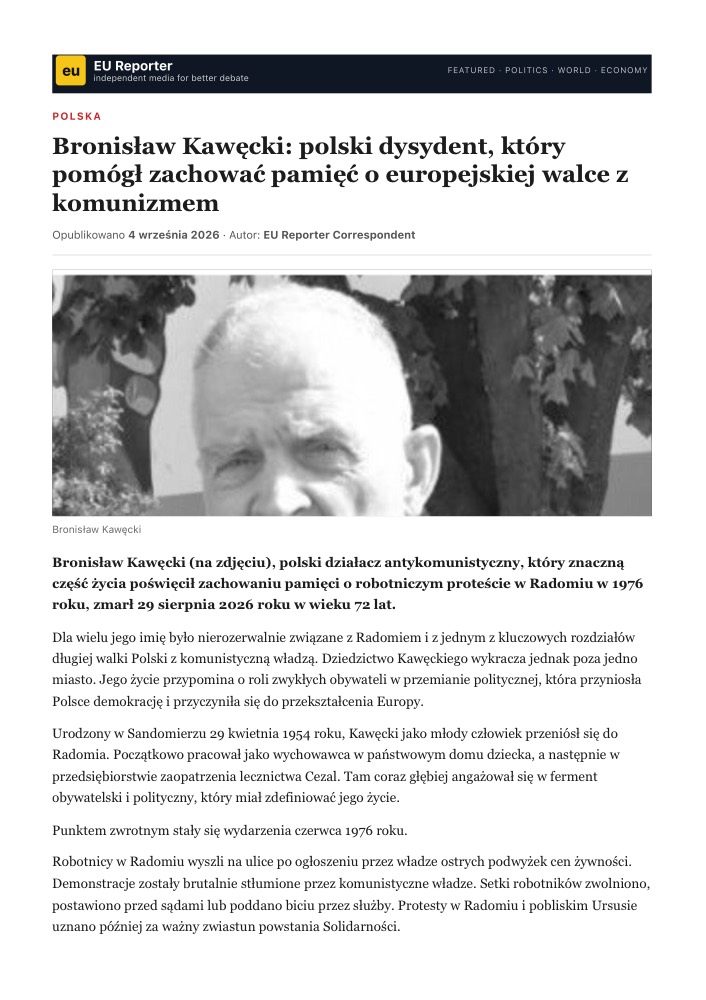
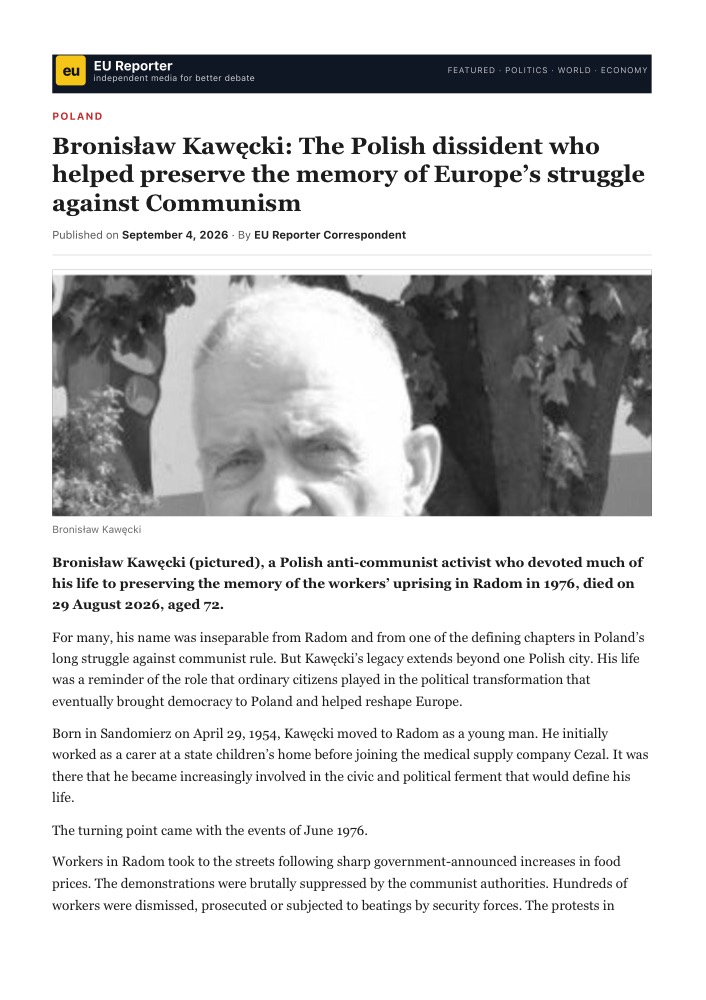
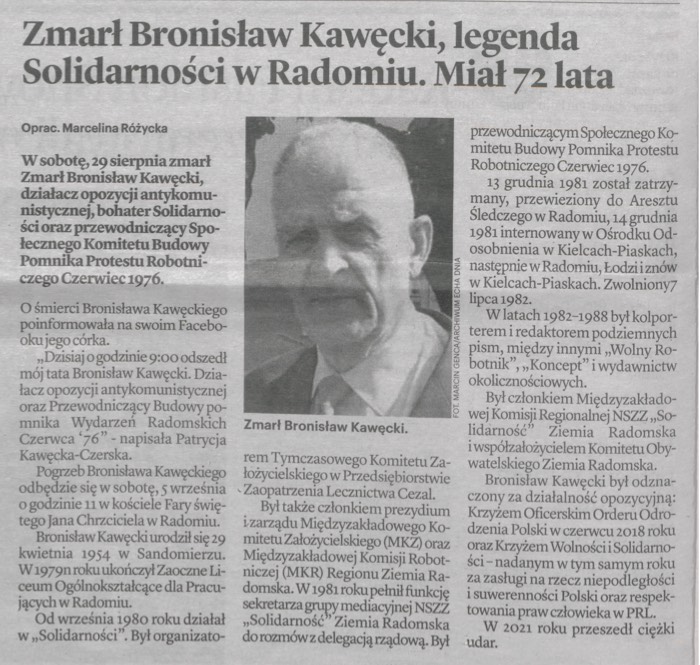
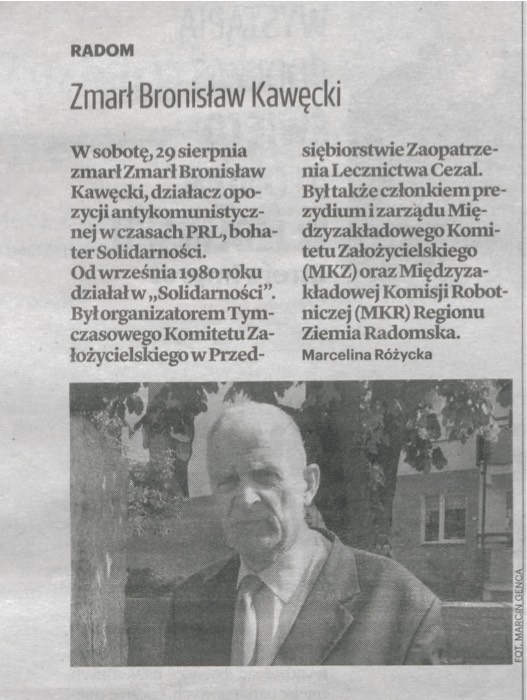
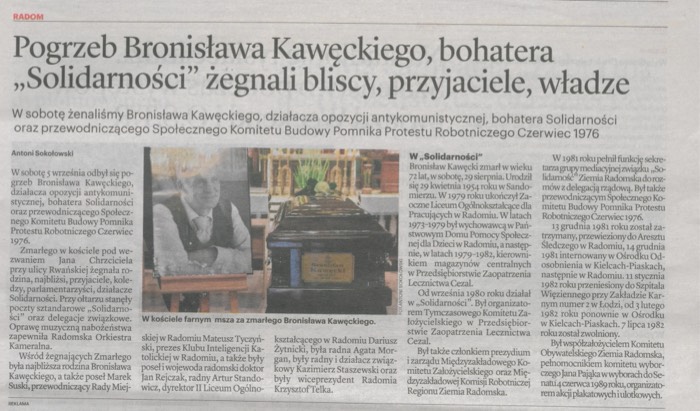
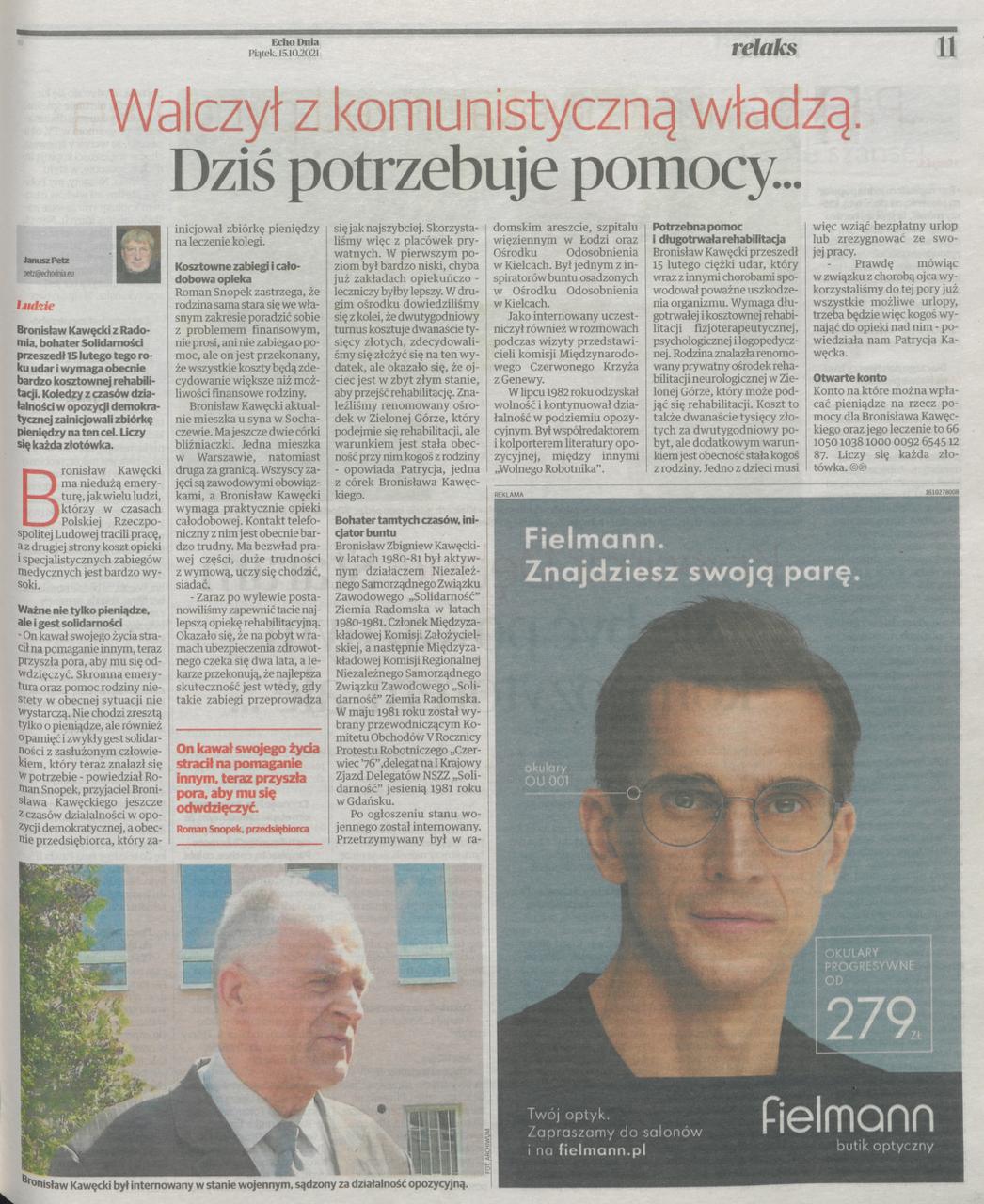
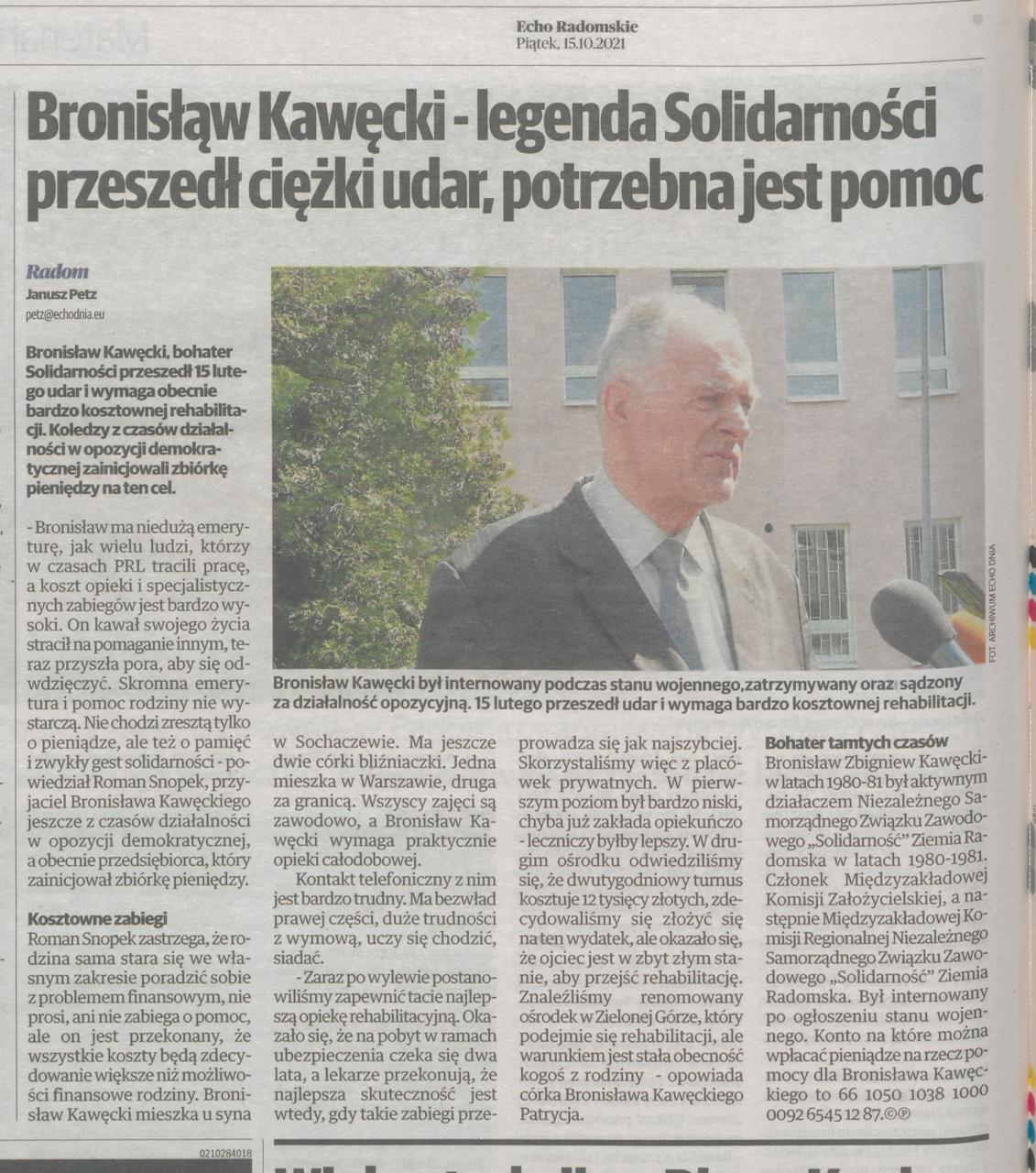
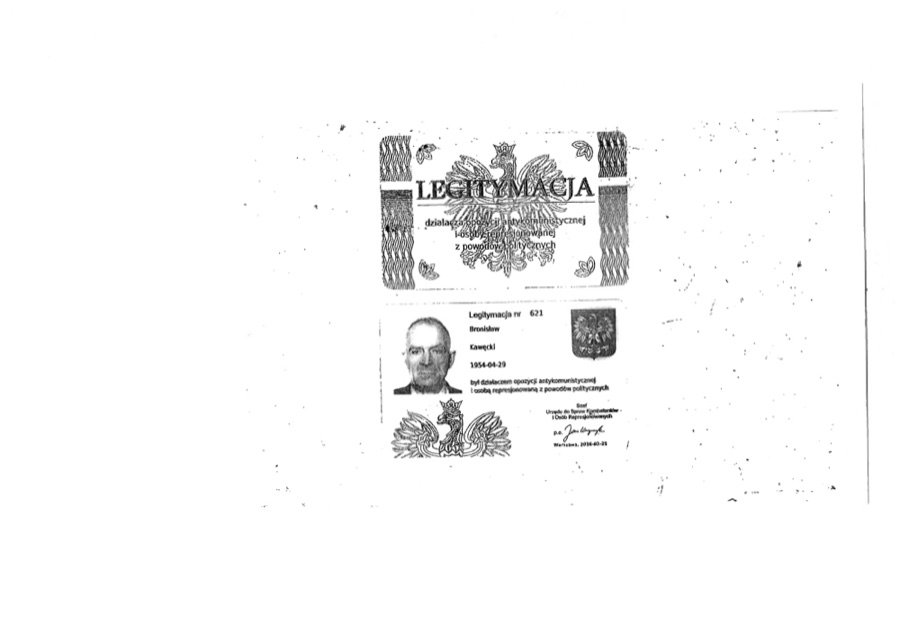
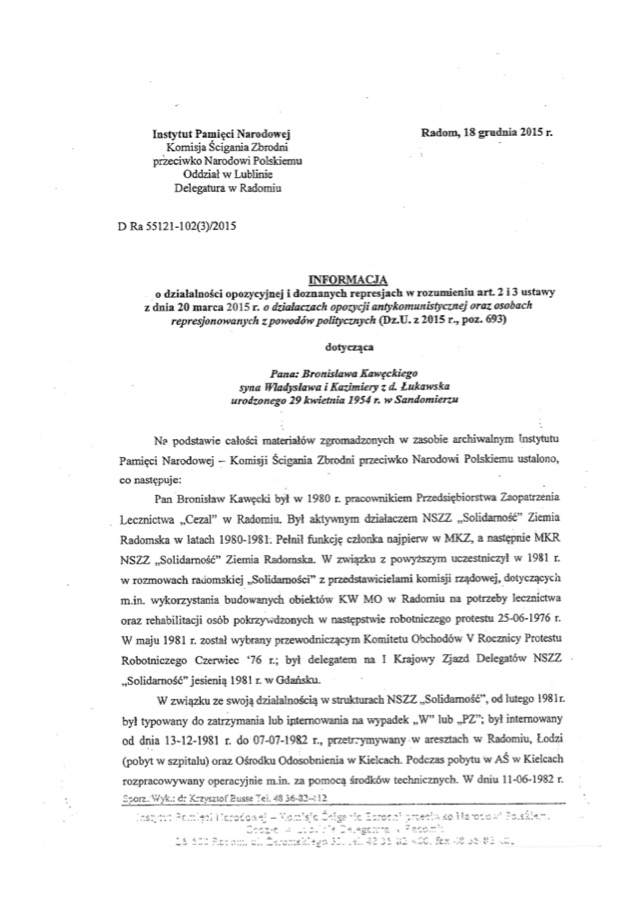
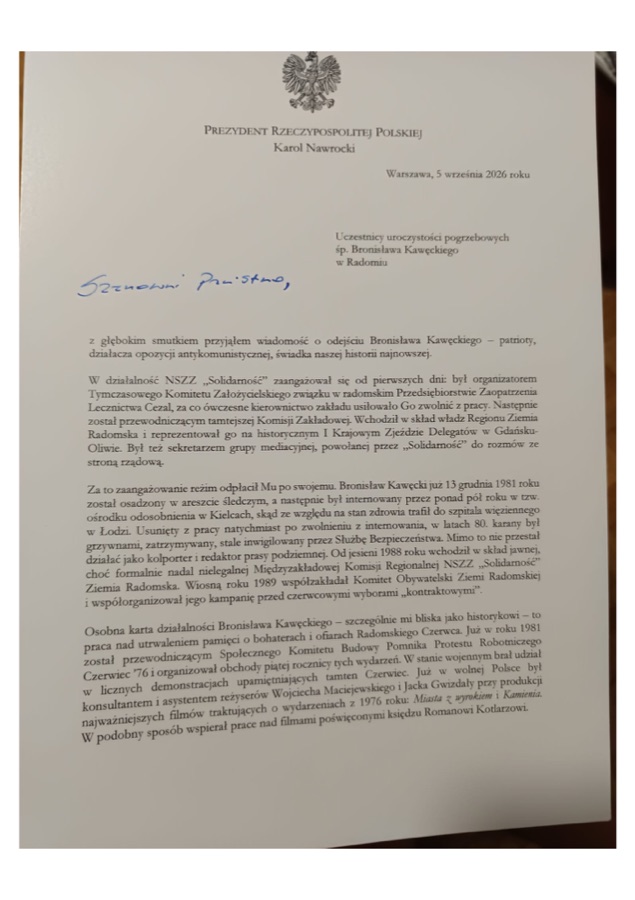
Born on 29 April 1954 in Sandomierz, a small town in south-eastern Poland, Kawęcki moved to Radom as a young man, working first as a carer at a state children’s home and later at a medical supply firm called Cezal. When the independent trade union Solidarity was founded in 1980 — the movement led nationally by the Gdańsk shipyard electrician Lech Wałęsa — Kawęcki helped organise its branch at Cezal and rose within the union’s regional leadership in Radom. In late 1981 he was chosen as a delegate to Solidarity’s first national congress, held in Gdańsk.
A monument, and martial law
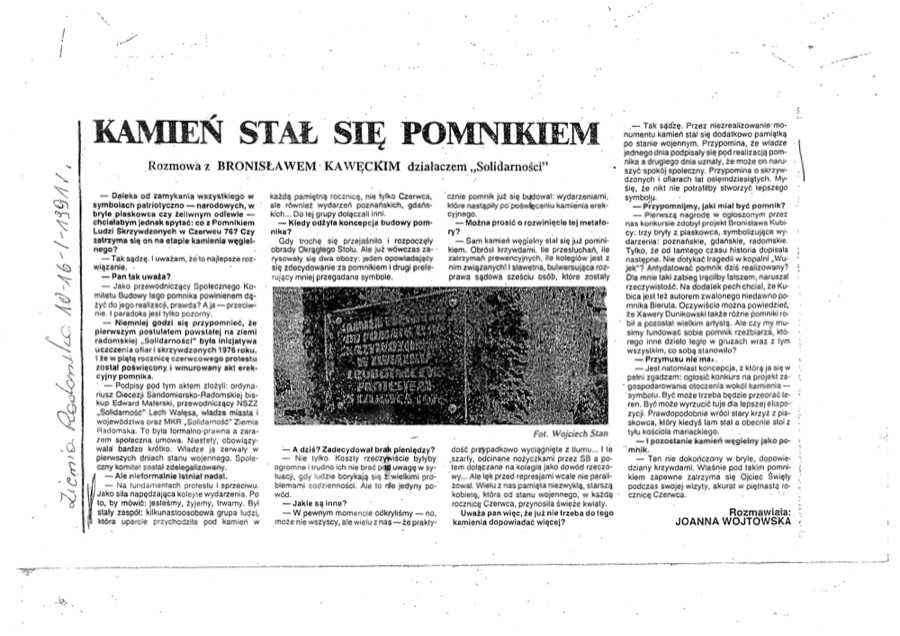
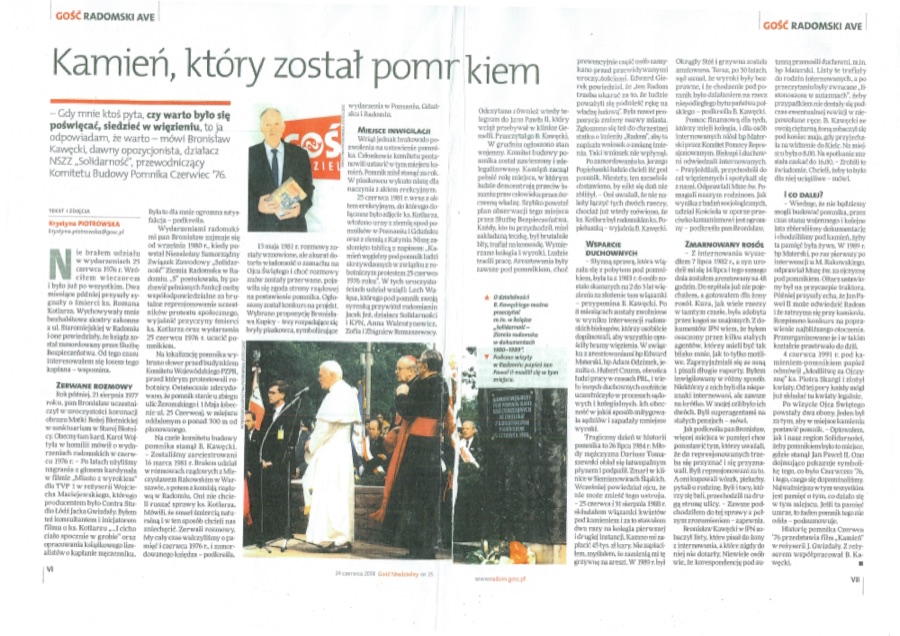
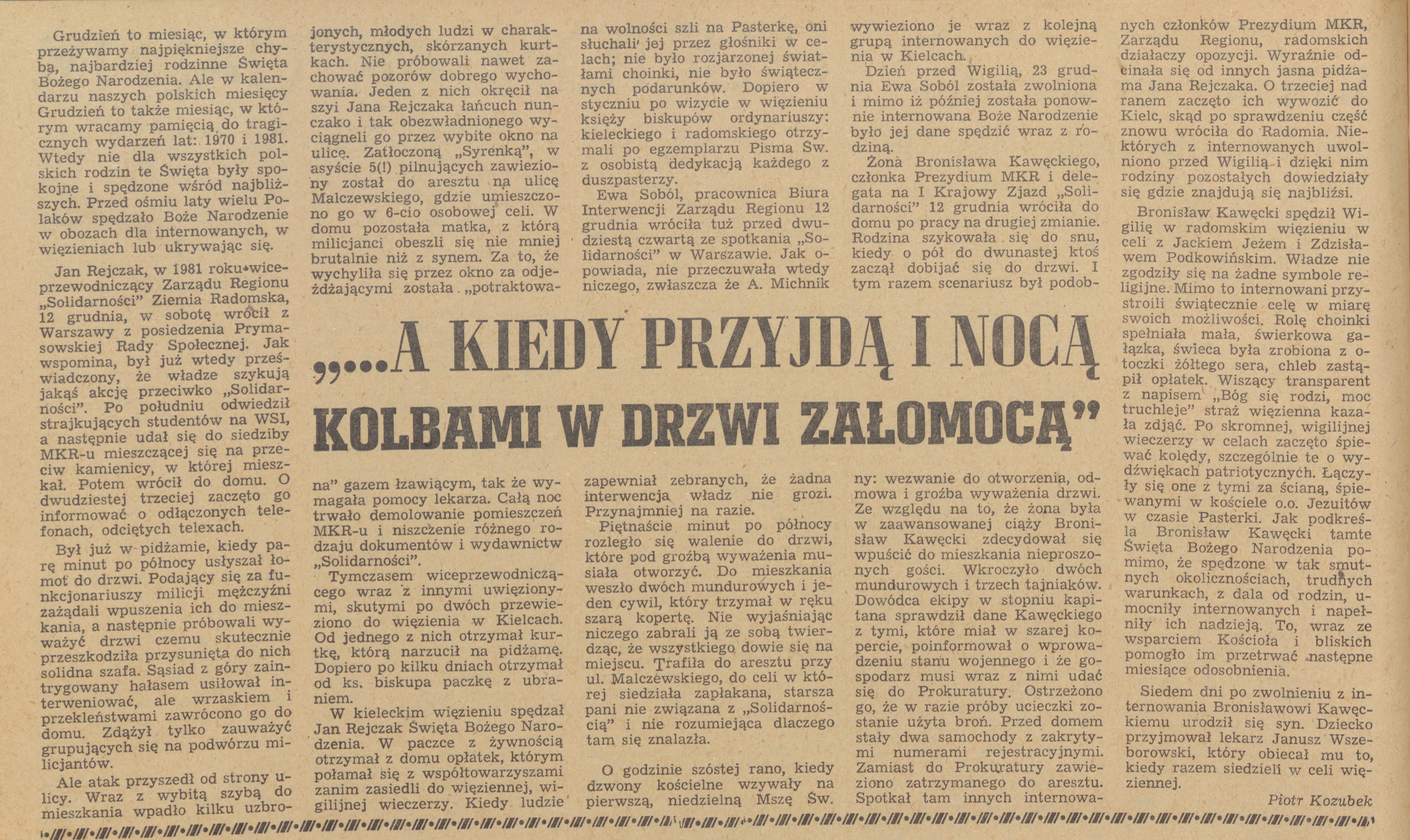
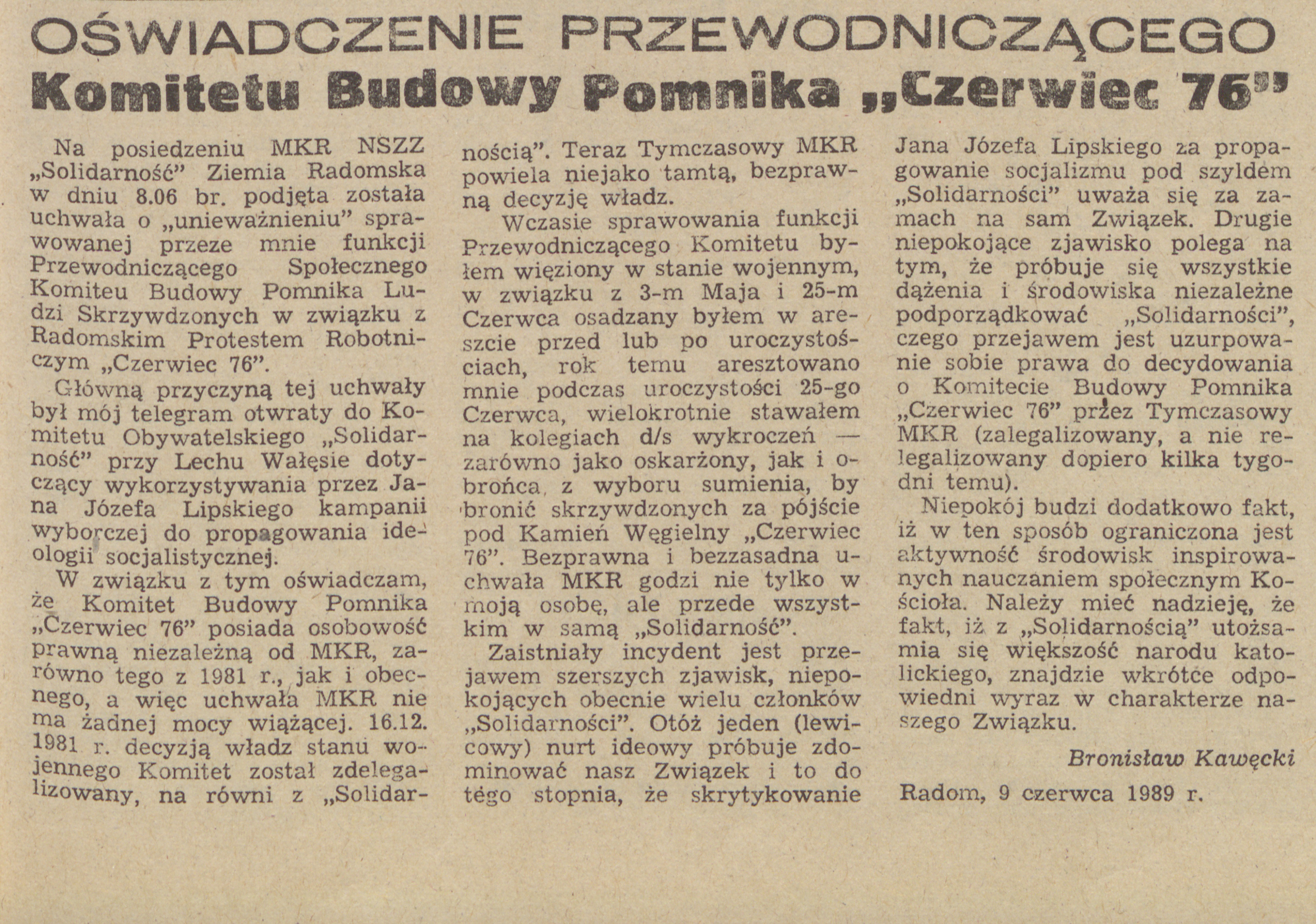
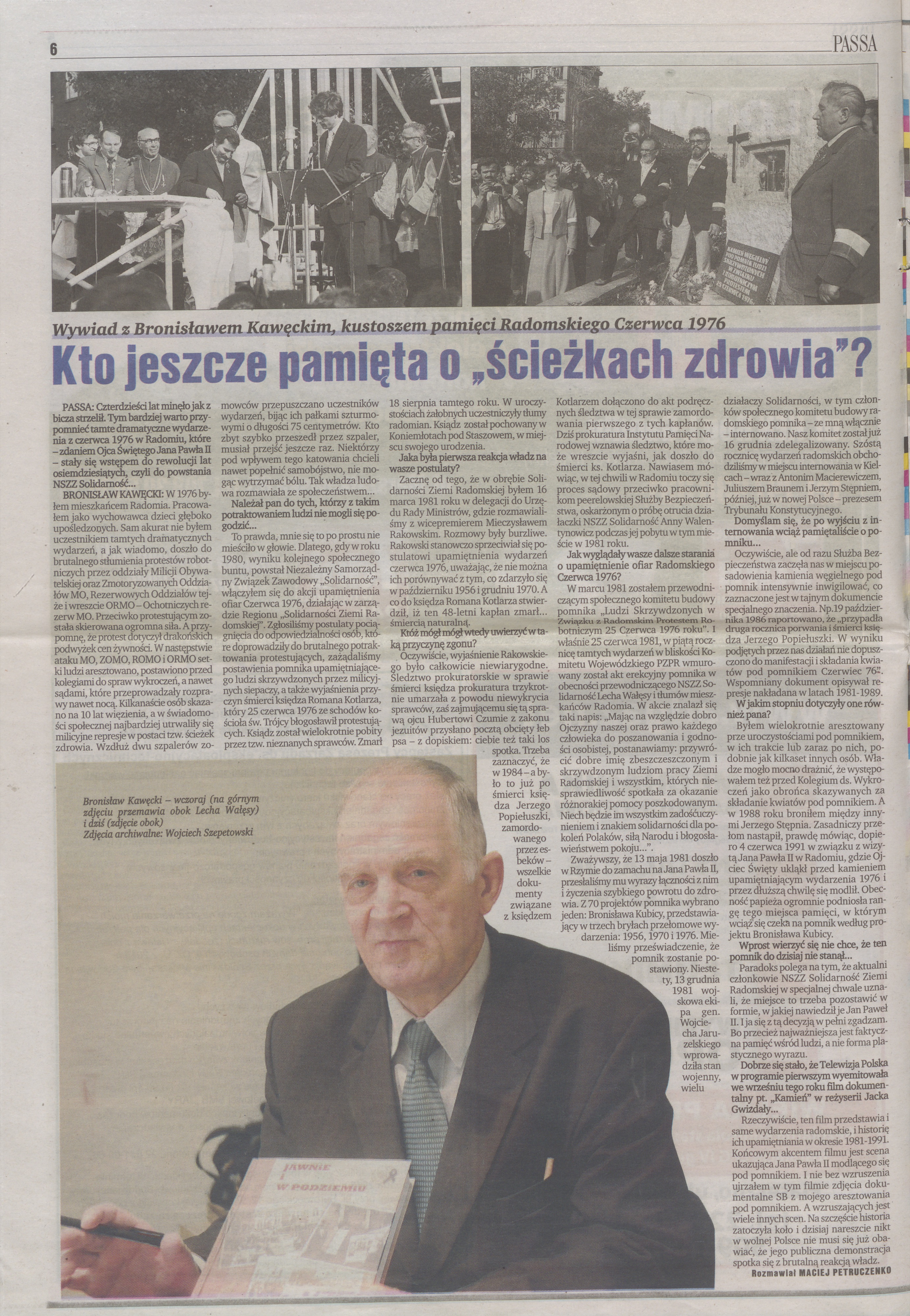
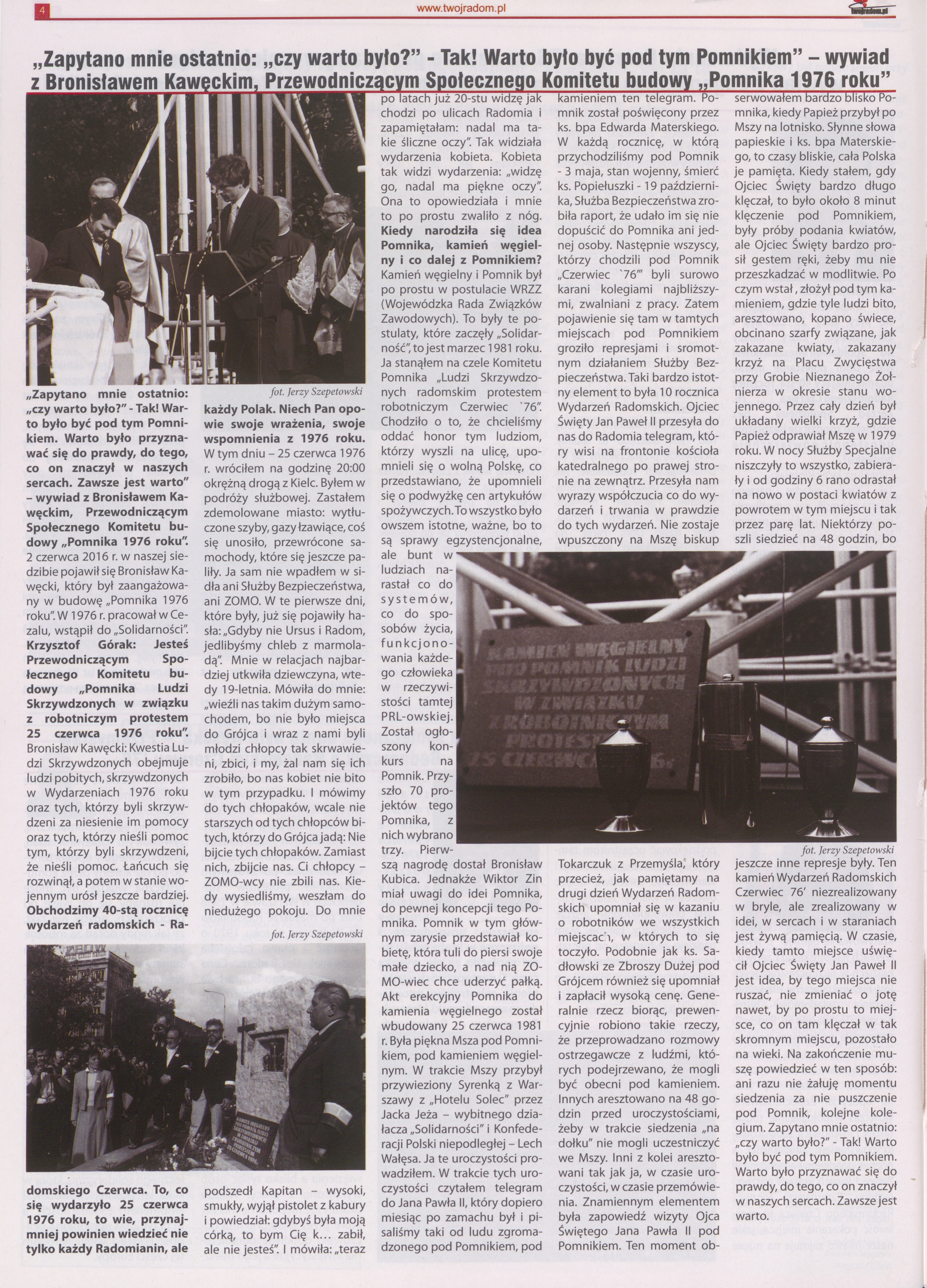
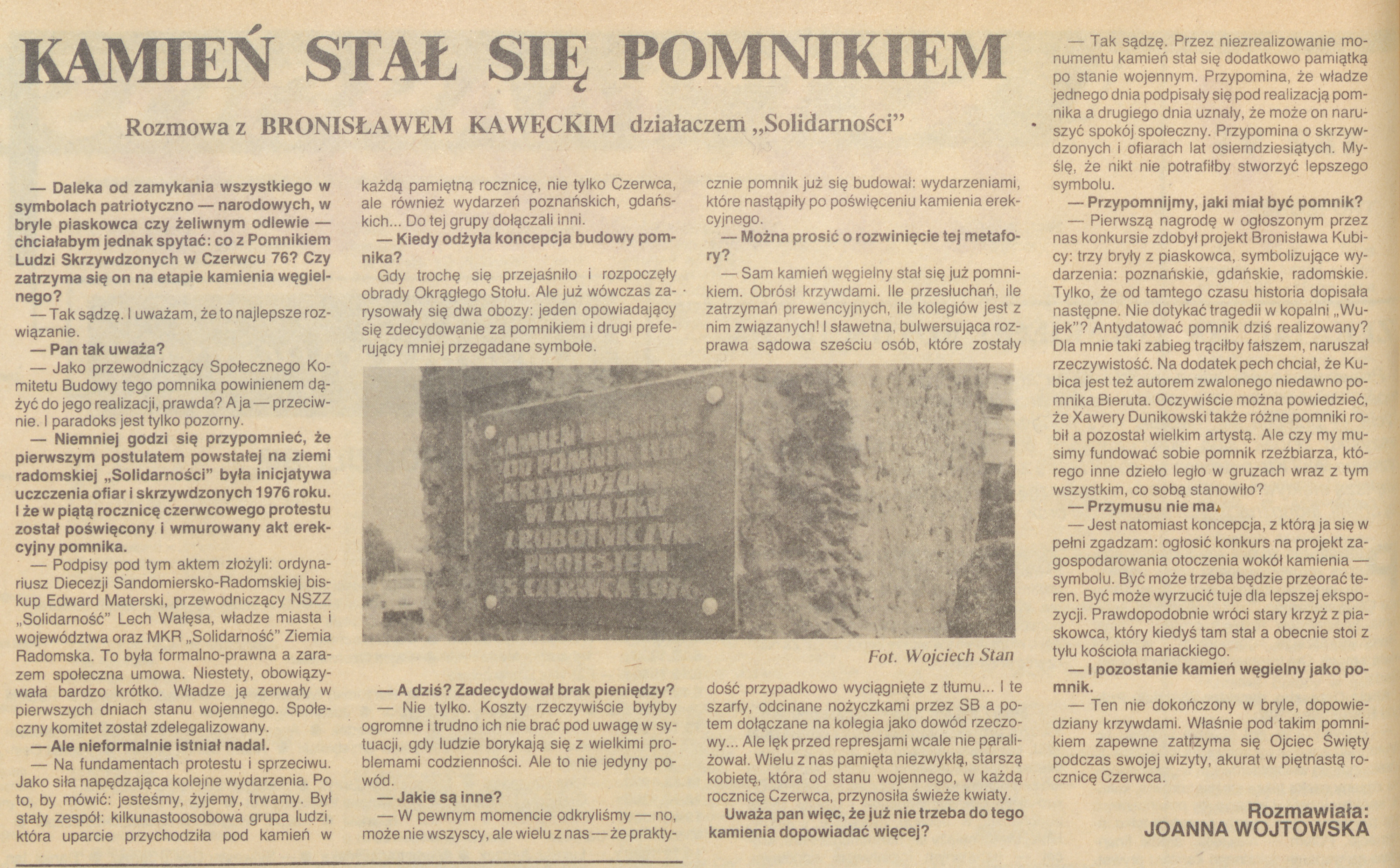
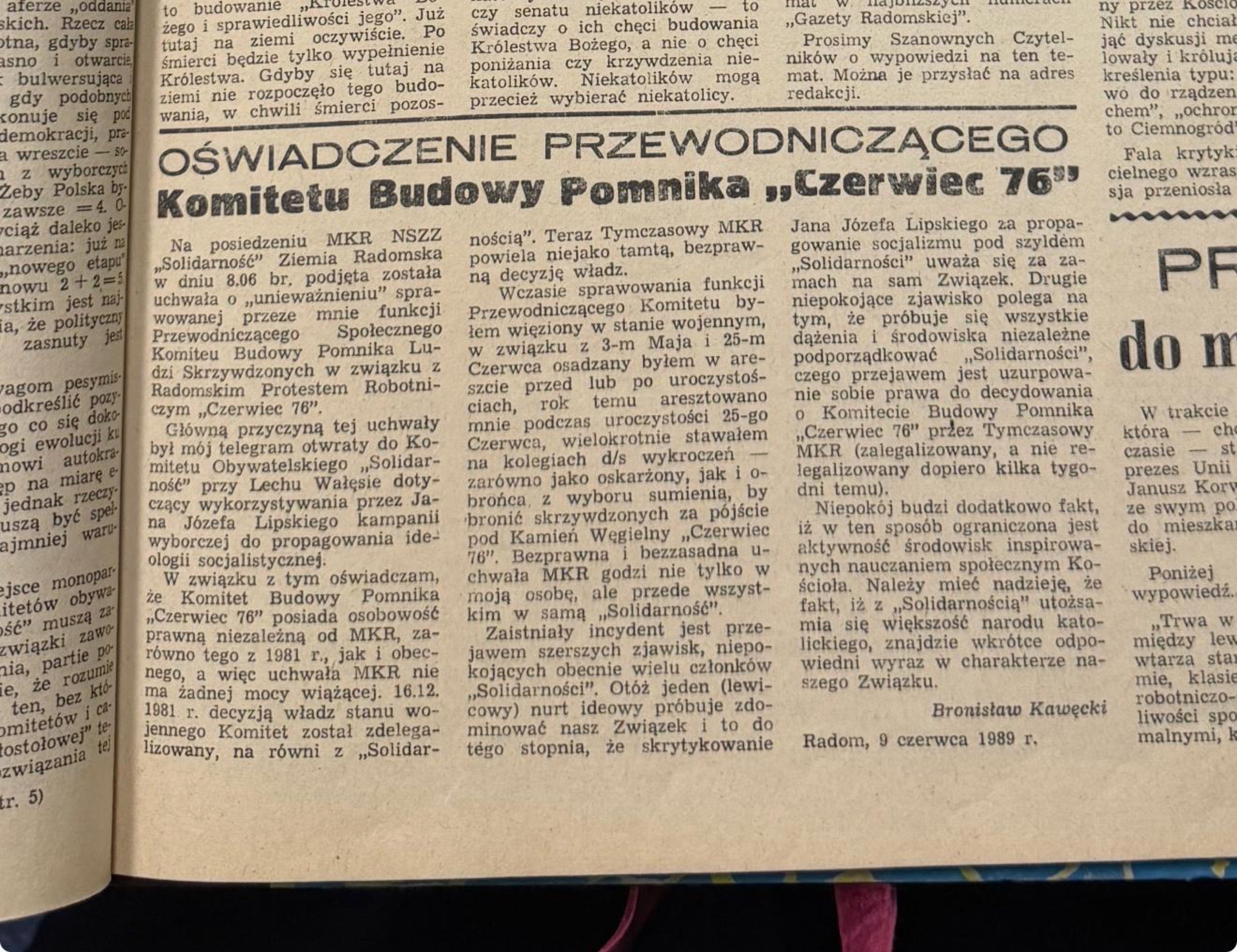
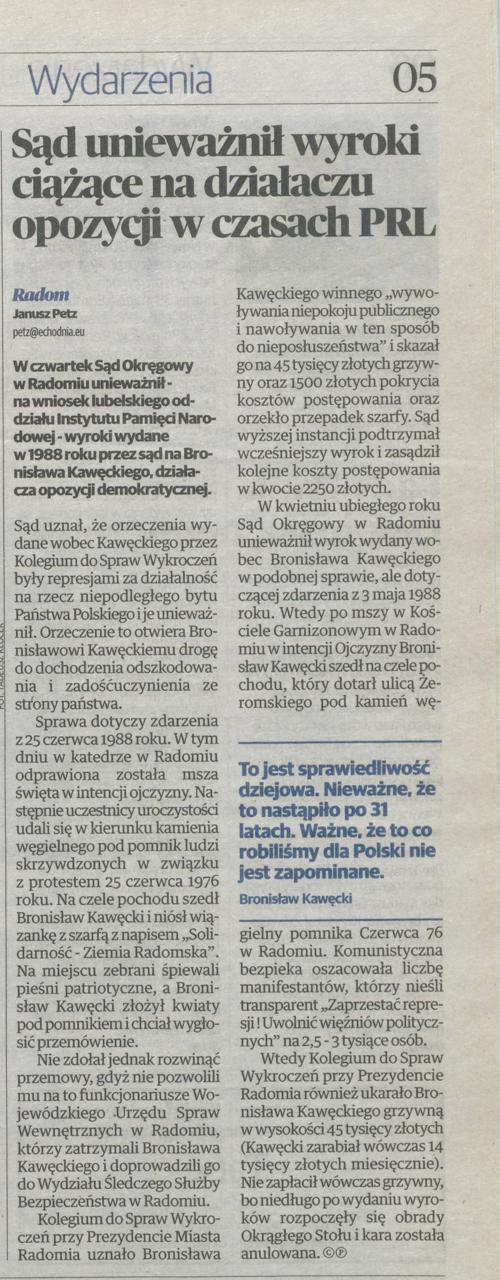
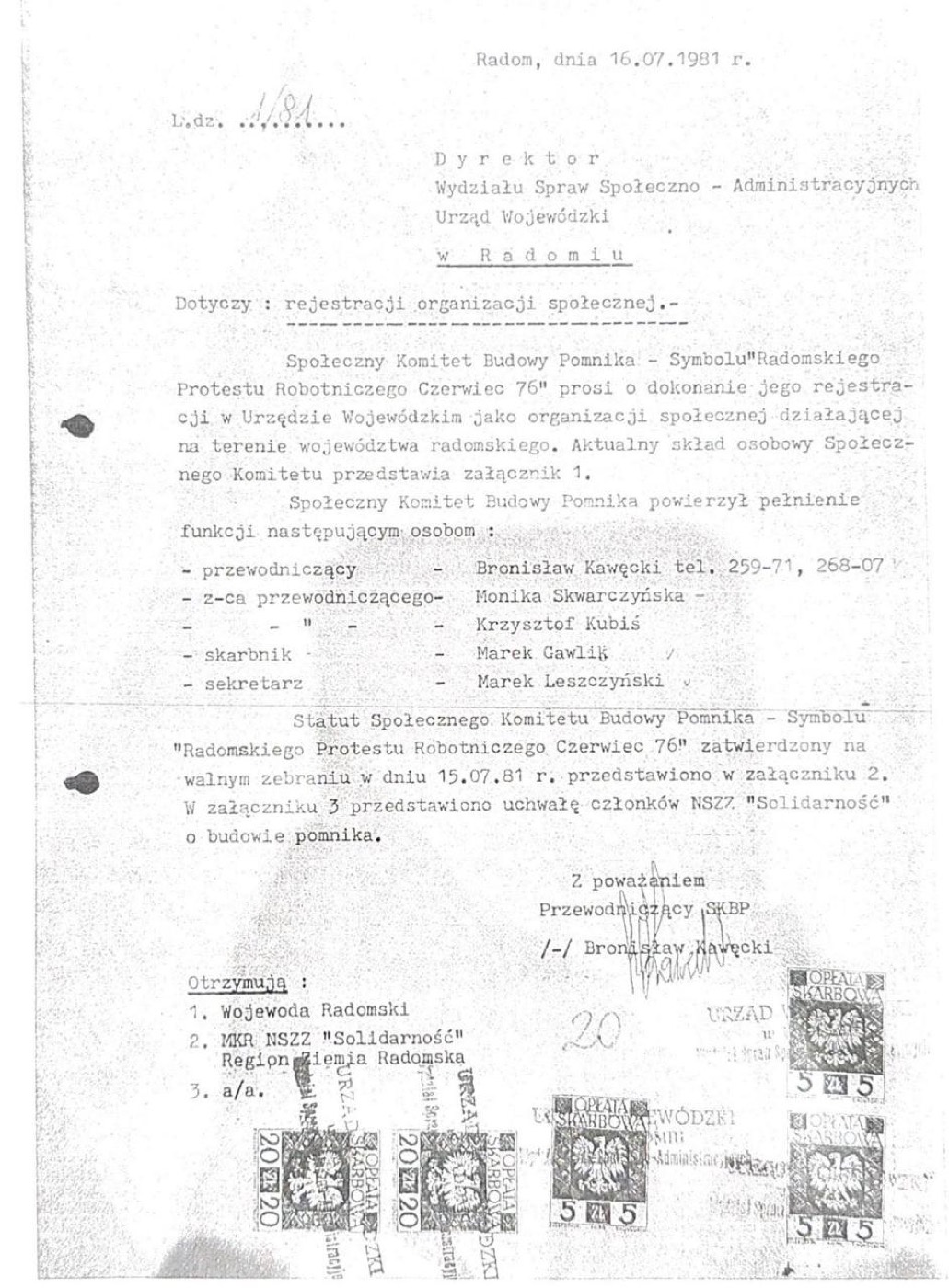
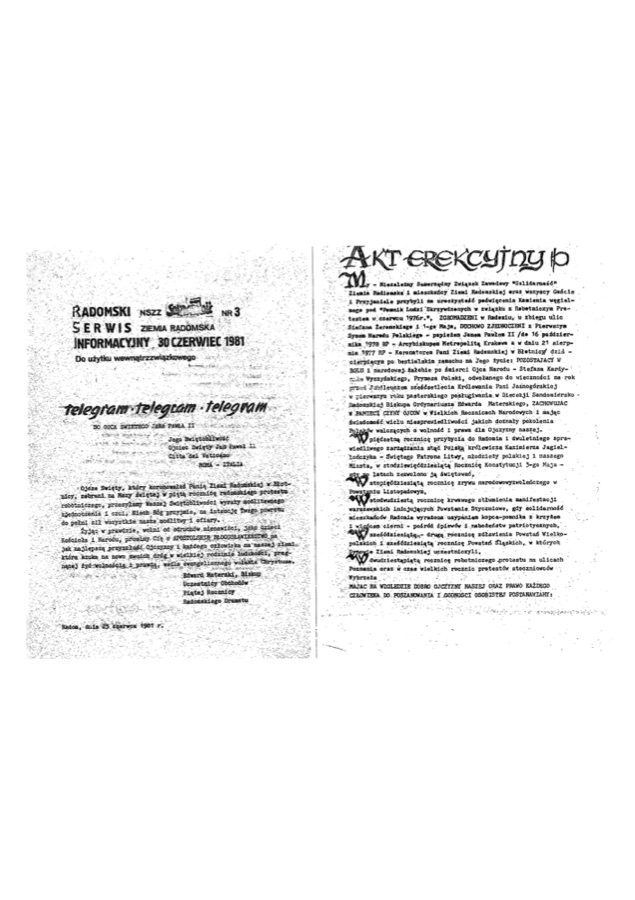
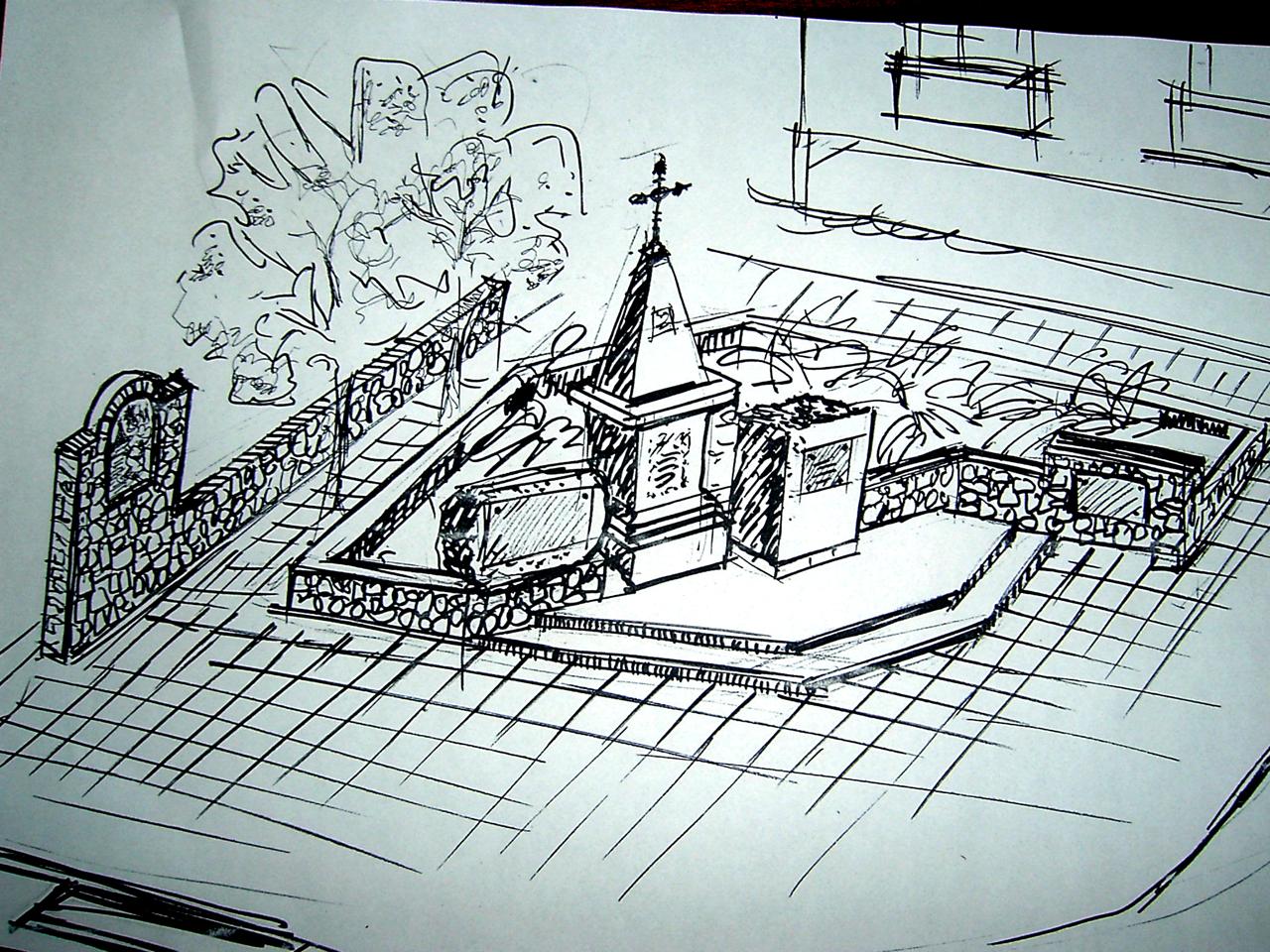
By then he was also leading a campaign to build a permanent monument to the victims of the 1976 protest, a project that put him directly at odds with a state that still insisted, officially, that the unrest had been the work of “hooligans” rather than aggrieved workers. A design competition drew some 70 entries, and in June 1981 a foundation stone was laid at the planned site, on a street corner in central Radom. The monument itself was never built. On 13 December 1981 the Polish government imposed martial law, banned Solidarity and interned thousands of its activists — Kawęcki among them.
He was held overnight in Radom, then moved between an internment camp in the nearby town of Kielce and a prison hospital in the city of Łódź, before his release in July 1982. He was sacked from his job the following day. The stone laid for the unfinished monument was left standing, and over the years that followed it became, almost by accident, the memorial itself — a place where laying flowers was treated by the authorities as a political act, and where those who did so risked arrest.
The underground years
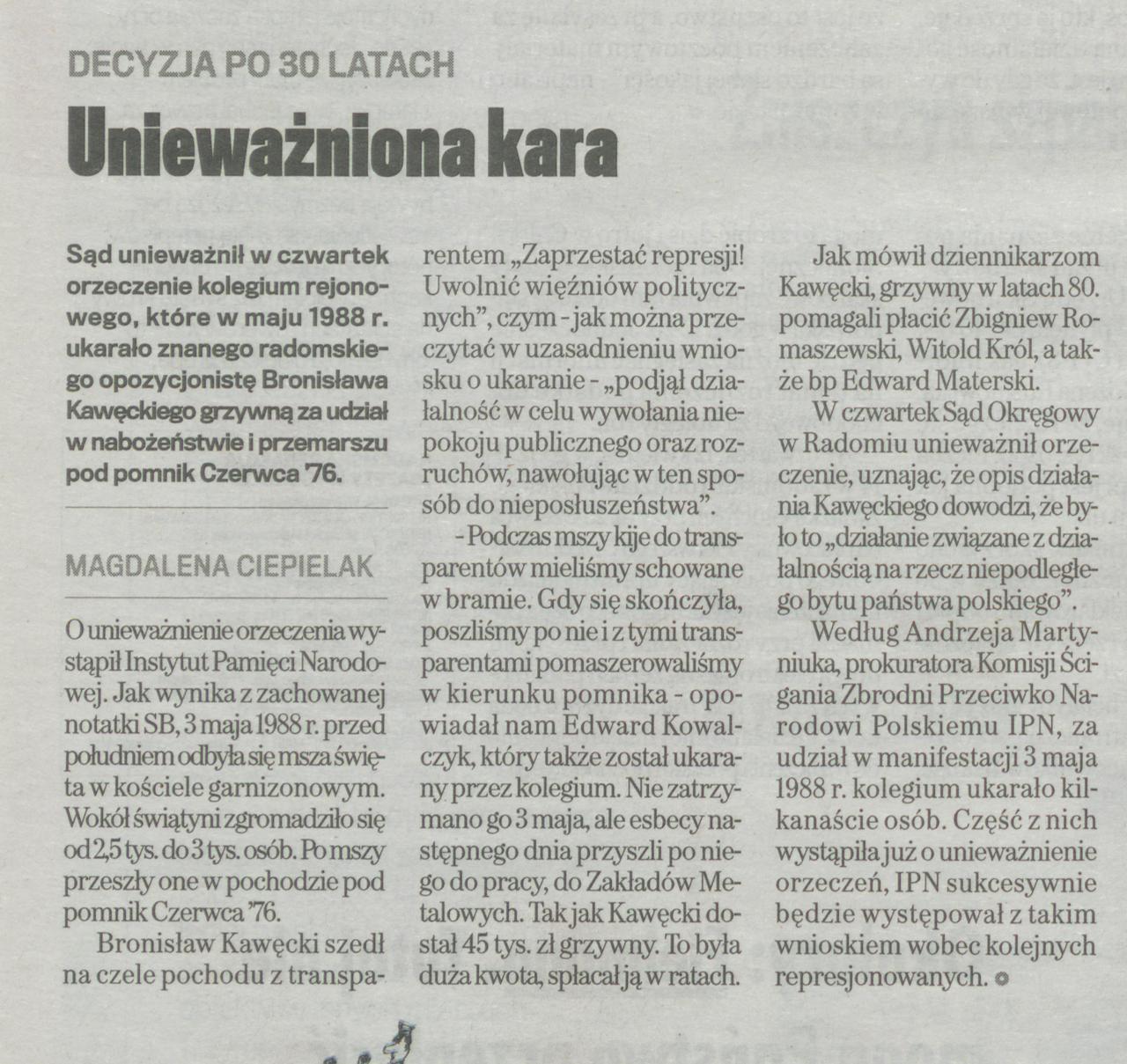
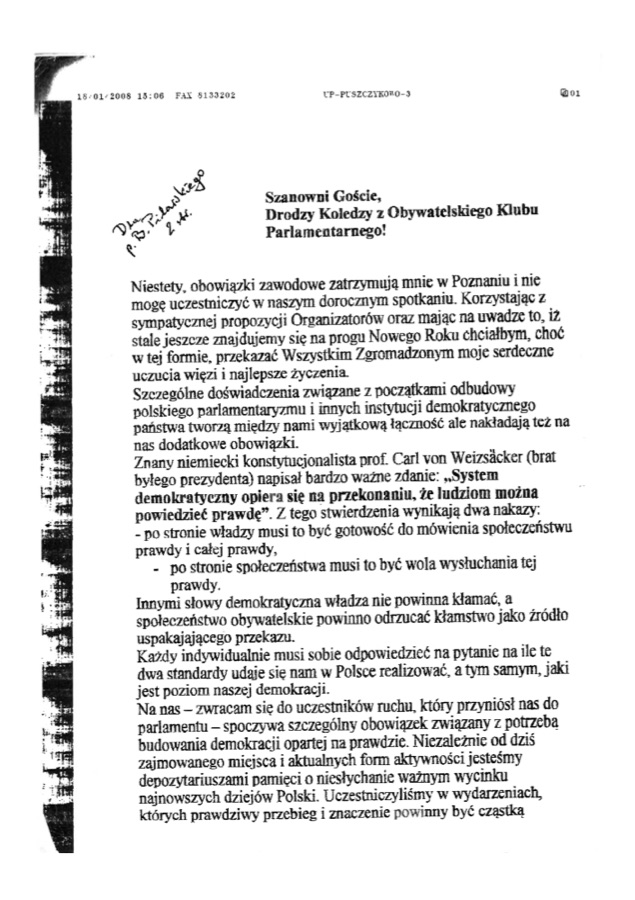
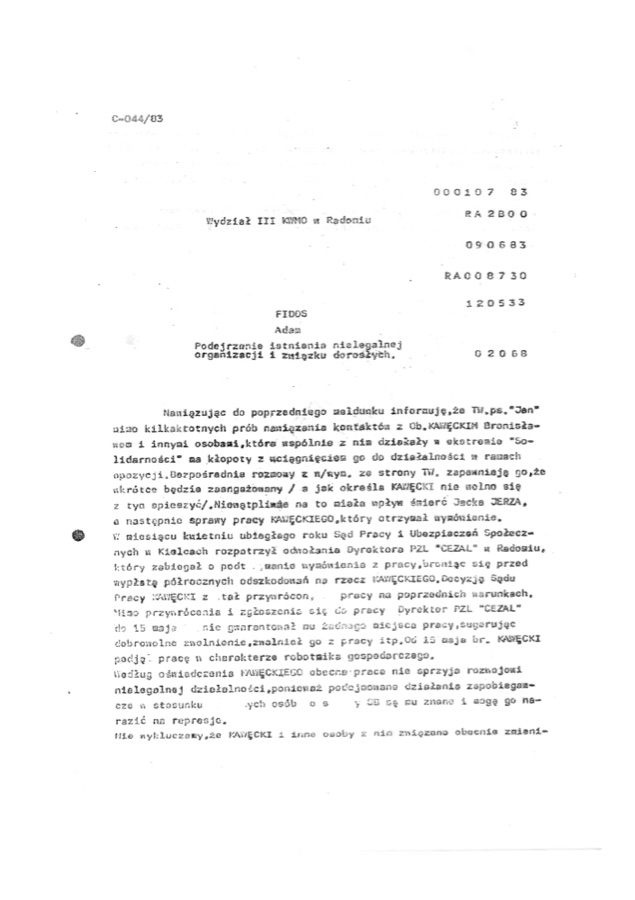
Kawęcki spent much of the 1980s distributing underground newspapers, including one called Wolny Robotnik (Free Worker), which he later helped edit, and was monitored throughout the decade by Poland’s secret police. When Solidarity re-emerged into the open in the late 1980s, he helped found a citizens’ committee in Radom and worked on the region’s first free parliamentary and presidential campaigns after communism fell in 1989.
Keeping the memory alive
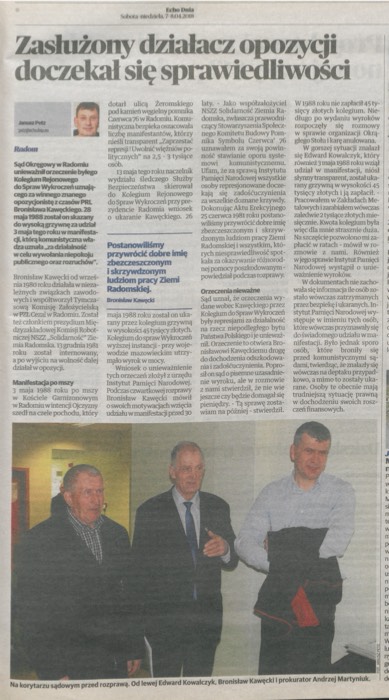
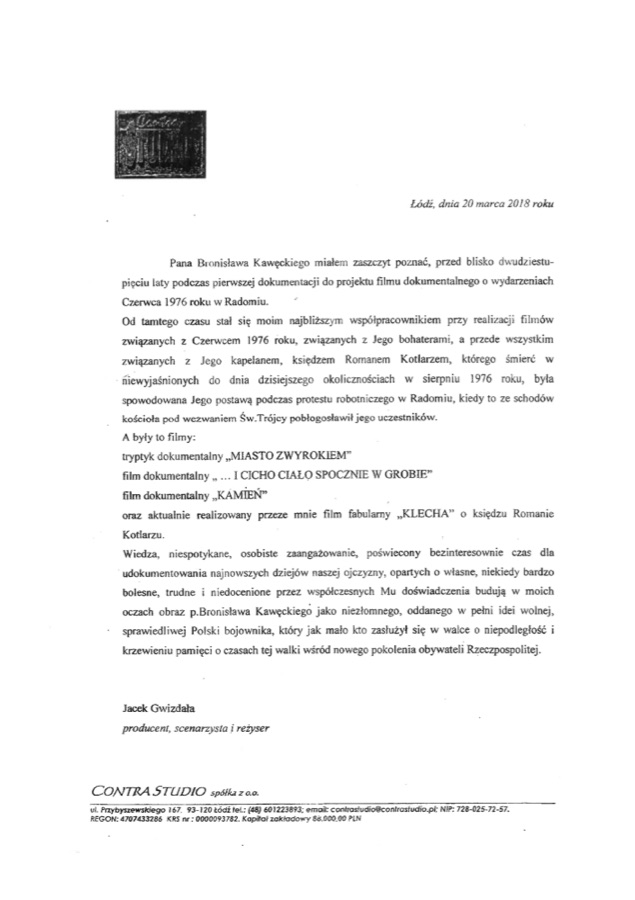
Bronisław Kawęcki was the originator, initiator, consultant, assistant director and co-creator of Wojciech Maciejewski’s films: Miasto z wyrokiem (“A City Under Sentence”), about the events of Radom June 1976, and I cicho ciało spocznie w grobie (“And the Body Shall Rest Quietly in the Grave”), about the life and work of Father Roman Kotlarz. Many people believe that without Kawęcki’s efforts the beatification would not have come about.
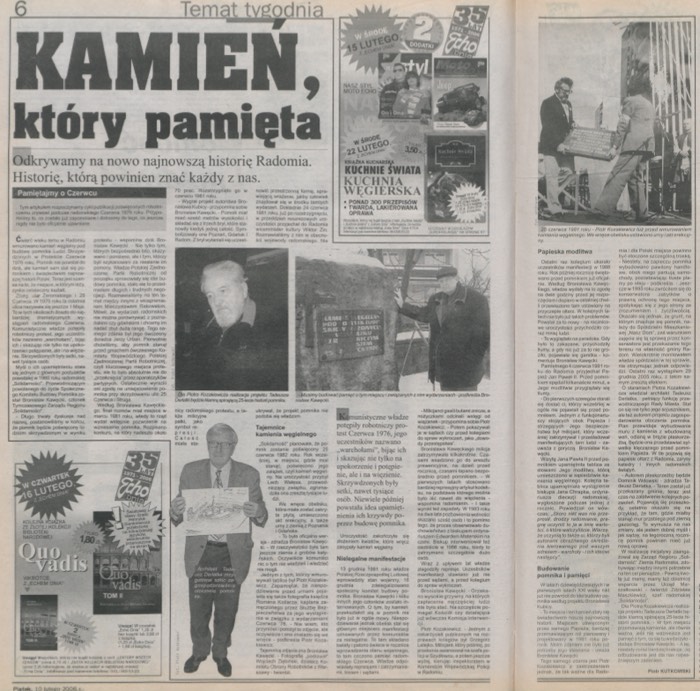
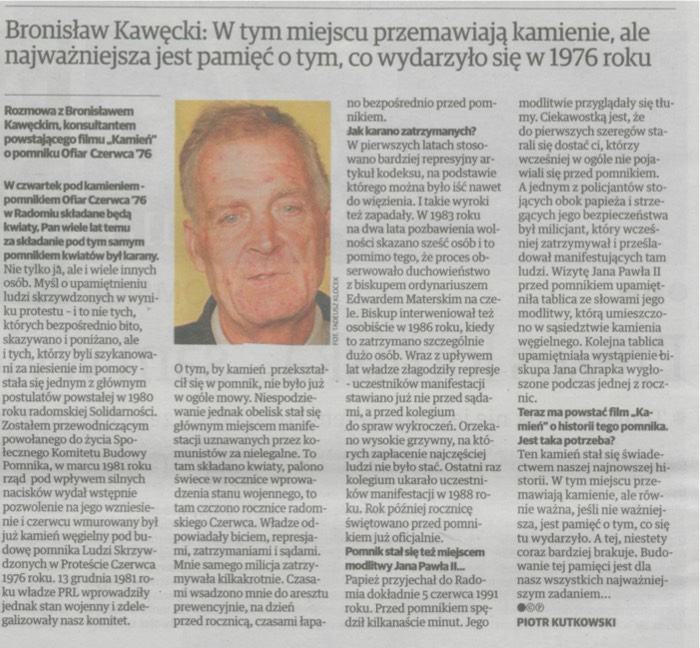
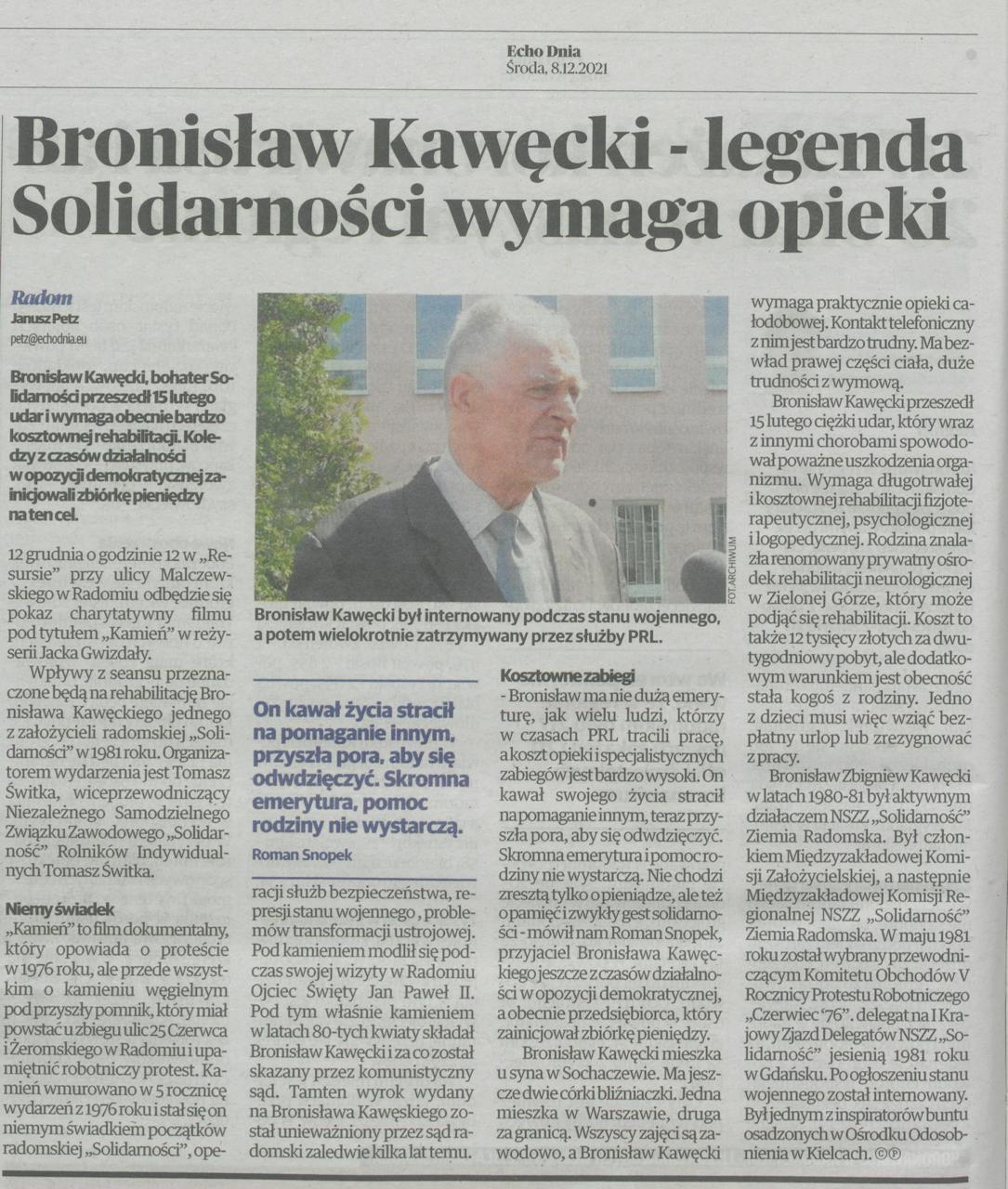
In the decades that followed, he became one of the main keepers of Radom’s institutional memory of 1976, advising on several Polish documentary films about the protest and about a local Catholic priest, Roman Kotlarz, whose death in 1976 was widely linked at the time to a beating by the security services. Kawęcki appeared in one of these films, Kamień (The Stone), which took its title from the unbuilt monument’s foundation stone and told much of his own story alongside the city’s.